
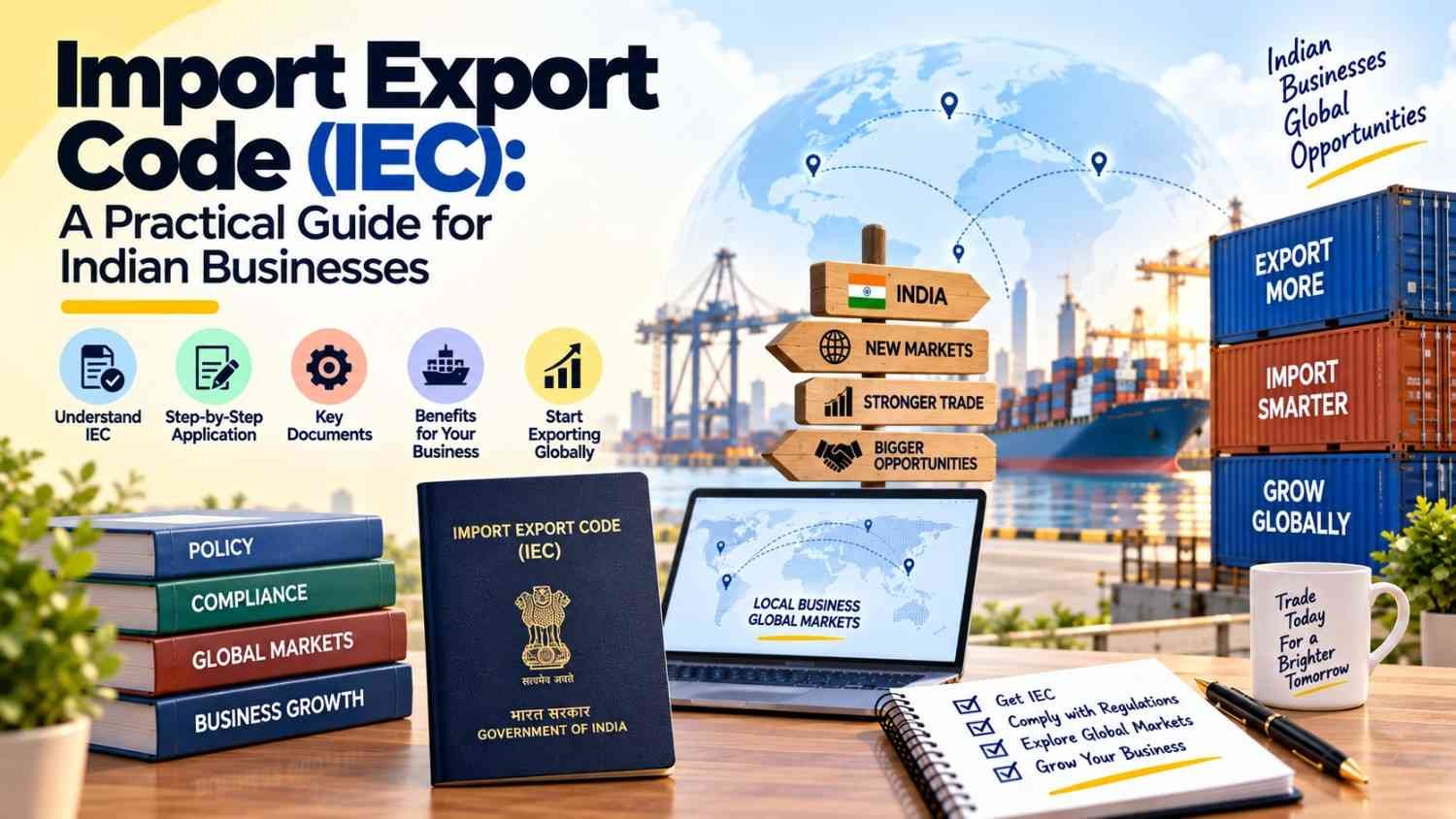
Understand the role of IEC in Indian import-export activity and the checks businesses should complete using current DGFT information.
Why This Topic Matters
Import Export Code (IEC): A Practical Guide for Indian Businesses is part of building a more structured B2B workflow. Businesses benefit when company information, product details, commercial terms and compliance responsibilities are documented clearly.
Build the Foundation
Keep legal business details, product specifications, contact information and supporting documents organized. Use accurate descriptions and avoid claims that cannot be verified.
Buyer and Supplier Communication
Business discussions should cover quantity, specifications, pricing basis, lead time, payment terms, delivery responsibility and quality expectations. Important commercial terms should be confirmed in writing.
Use Digital Discovery Carefully
Online profiles and marketplaces can improve discovery, but they do not replace due diligence. TradesFolks can be used as one discovery channel alongside direct relationships, referrals, events and other suitable platforms.
Export Readiness Checklist
- Confirm the product classification and destination-country requirements.
- Calculate landed or delivered economics using realistic freight, insurance, duties and handling assumptions.
- Prepare accurate product specifications, packing details, quotation terms and required trade documents.
- Agree Incoterms, payment terms, inspection expectations and responsibility for logistics in writing.
- Verify the buyer and use transaction-appropriate risk controls before dispatch.
Turning Visibility Into Export Business
Export visibility should lead to a disciplined qualification process. Ask about destination, quantity, specification, required certification, delivery schedule and preferred trade terms before issuing a final quotation. This reduces avoidable revisions and helps both sides determine whether the opportunity is commercially workable.
Conclusion
Use this guide as a practical starting point and verify current regulatory or platform-specific requirements before making a commercial decision.